Preventive Care
The Benefits of Annual Health Screenings: A Complete Guide
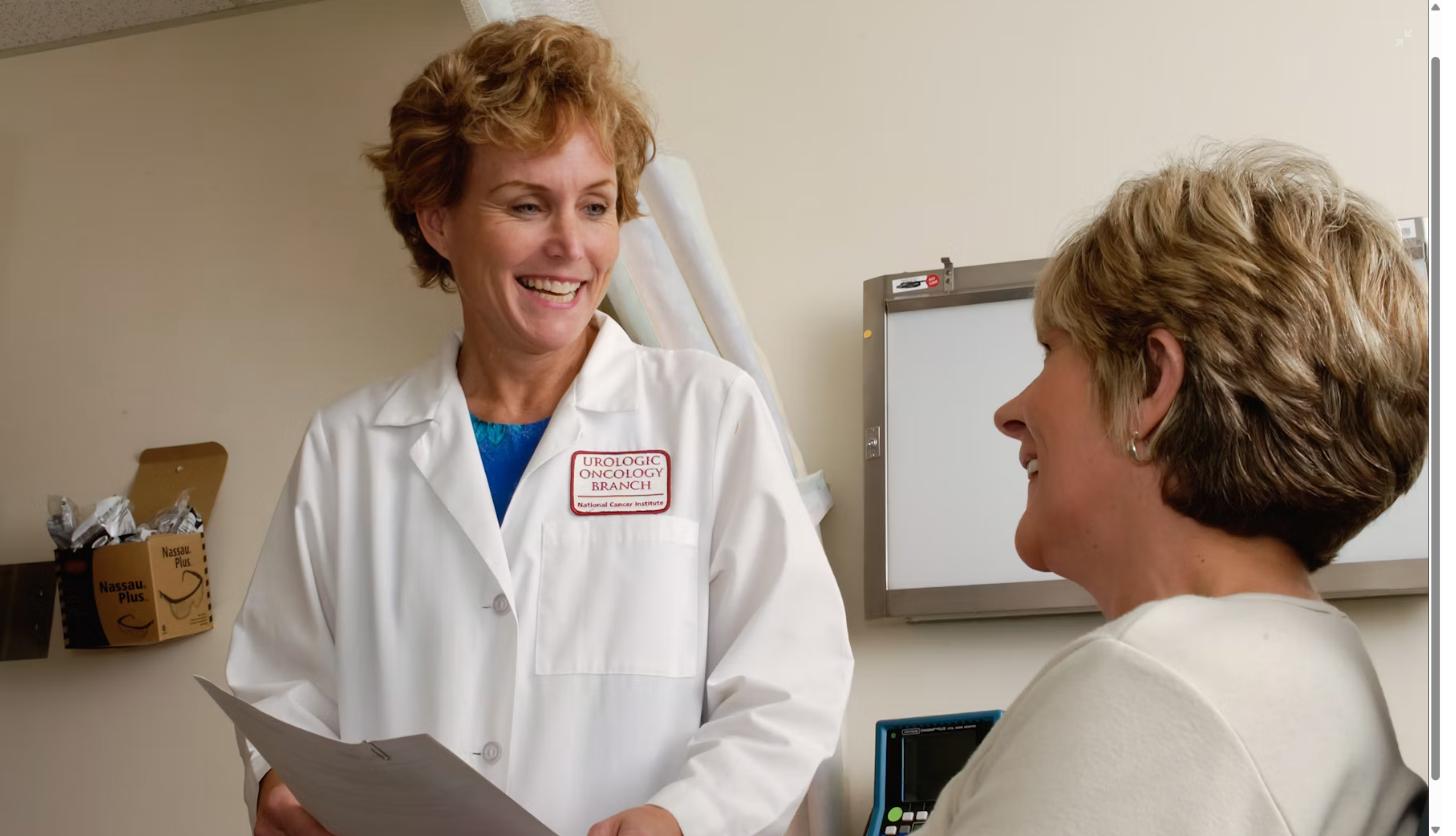
The Benefits of Annual Health Screenings
Annual health screenings are among the most effective ways to protect your long-term wellbeing. A yearly checkup gives your healthcare provider the chance to review your overall health, track important changes over time, and identify potential concerns before they become serious. Even when you feel perfectly healthy, a routine screening can reveal early warning signs that are easy to miss.
Why Annual Health Screenings Matter
The primary benefit of an annual screening is early detection. Many common conditions, including high blood pressure, high cholesterol, and diabetes, often develop without noticeable symptoms. Catching these issues early makes them easier to treat and helps prevent complications down the road. Regular screenings also create a reliable health baseline, allowing your provider to spot subtle changes from year to year.
What a Typical Screening Includes
A comprehensive annual screening usually includes vital sign checks, blood pressure measurement, and lab work such as blood glucose and cholesterol panels. Depending on your age, family history, and risk factors, your provider may recommend additional tests or preventive screenings. These visits are also a valuable opportunity to update vaccinations, review medications, and discuss any health questions in a supportive setting.
At HCPMT, we believe preventive care is the foundation of lifelong wellness. By scheduling your annual health screening, you take an active step toward protecting your health, catching potential issues early, and building a trusted relationship with your care team.
Who Should Get Annual Health Screenings?
Annual health screenings are recommended for adults of every age, though the specific tests and their frequency vary based on your age, sex, family history, and personal risk factors. In general, every adult over 18 benefits from a yearly wellness visit. Young adults use these appointments to establish a health baseline and build healthy habits early. Adults in their 30s and 40s benefit from closer monitoring of blood pressure, cholesterol, and blood sugar. Adults over 50 typically add age-specific cancer screenings such as colonoscopies and mammograms. If you have a chronic condition, a family history of disease, or lifestyle risk factors, your provider may recommend screenings more often than once a year.
Key Benefits of Annual Health Screenings
Regular screenings deliver benefits that go far beyond a single appointment. The most important advantages include early detection of serious disease, lower long-term healthcare costs, and a documented health history that helps your provider make better decisions over time.
Early Detection Saves Lives
Conditions such as hypertension, type 2 diabetes, and certain cancers frequently develop silently, with no obvious symptoms in their earliest and most treatable stages. Screenings catch these warning signs early, when treatment is simpler, less invasive, and far more likely to succeed. Early detection is consistently linked to better outcomes and higher survival rates across a wide range of diseases.
Lower Long-Term Healthcare Costs
Preventive care is almost always less expensive than treating advanced illness. Managing a condition like high blood pressure or prediabetes early helps you avoid costly emergency care, hospital stays, and complex procedures later. Investing in a yearly screening is one of the most cost-effective decisions you can make for your long-term financial and physical health.
A Personalized Health Baseline
Each screening adds to a record of your personal health data, from blood pressure and cholesterol to weight and lab values. Over time, this baseline allows your provider to spot subtle trends and changes that would be invisible in a single snapshot, leading to earlier intervention and more accurate, personalized care.
Recommended Health Screenings by Age
While your provider will tailor recommendations to your individual health, the following overview shows how screening priorities typically shift across the decades of adult life.
In Your 20s and 30s
Focus on establishing a baseline. Typical screenings include blood pressure checks, cholesterol testing, blood glucose measurement, body mass index review, and mental health screening. This is also the ideal time to stay current on vaccinations and to discuss reproductive and sexual health with your provider.
In Your 40s and 50s
Monitoring becomes more important as risk rises. In addition to the earlier tests, your provider may recommend diabetes screening, expanded cholesterol panels, and cancer screenings such as mammograms and colonoscopies. Regular eye exams and skin checks also become increasingly valuable during these years.
In Your 60s and Beyond
Screenings focus on maintaining independence and quality of life. These often include bone density testing, hearing and vision assessments, cognitive screening, and continued cancer and cardiovascular monitoring. Reviewing medications and updating vaccines such as shingles and pneumonia protection also take on greater importance.
How to Prepare for Your Annual Screening
A little preparation helps you get the most out of your visit. Before your appointment, gather your personal and family medical history, make a list of any current medications and supplements, and note any symptoms or health questions you want to raise. If your provider has ordered fasting blood work, avoid eating or drinking anything except water for the recommended period beforehand. Bring your insurance information and a record of past screenings so your care team has a complete picture of your health.
What to Expect During the Appointment
A typical annual screening begins with measuring your height, weight, and vital signs, including blood pressure, heart rate, and temperature. Your provider will review your medical history, discuss your lifestyle, and perform a physical examination. Depending on your age and risk factors, lab tests may be ordered to check cholesterol, blood sugar, and other markers. The visit ends with a conversation about your results, any recommended follow-up, and a personalized plan to help you stay healthy throughout the year.
Frequently Asked Questions About Annual Health Screenings
How often should I get a health screening?
Most adults benefit from a comprehensive health screening once a year. However, people with chronic conditions, a strong family history of disease, or specific risk factors may need screenings more frequently. Your provider will recommend a schedule based on your individual health profile.
Are annual health screenings covered by insurance?
Many preventive screenings are covered by health insurance plans, often at no additional cost to you. Coverage can vary, so it is best to confirm the details with your insurance provider before your visit. Our team is also happy to help you understand what your plan includes.
Do I need a screening if I feel completely healthy?
Yes. Many serious conditions develop without any noticeable symptoms in their early stages. Feeling healthy does not guarantee that everything is functioning normally beneath the surface. Annual screenings are designed to catch hidden issues early, which is exactly why they are so valuable even when you feel well.
How long does a health screening take?
A routine annual screening usually takes between 30 and 60 minutes, depending on the tests involved and the depth of your conversation with your provider. If additional lab work is required, results may follow in the days after your visit.
Schedule Your Annual Health Screening at HCPMT
At HCPMT, we believe preventive care is the foundation of lifelong wellness. Our experienced care team provides comprehensive, personalized health screenings designed to detect potential issues early, keep your health on track, and build a trusted, long-term relationship with you. Taking a proactive approach today is one of the most meaningful steps you can take for a healthier tomorrow. Contact us to schedule your annual health screening and take an active step toward protecting your health for years to come.
